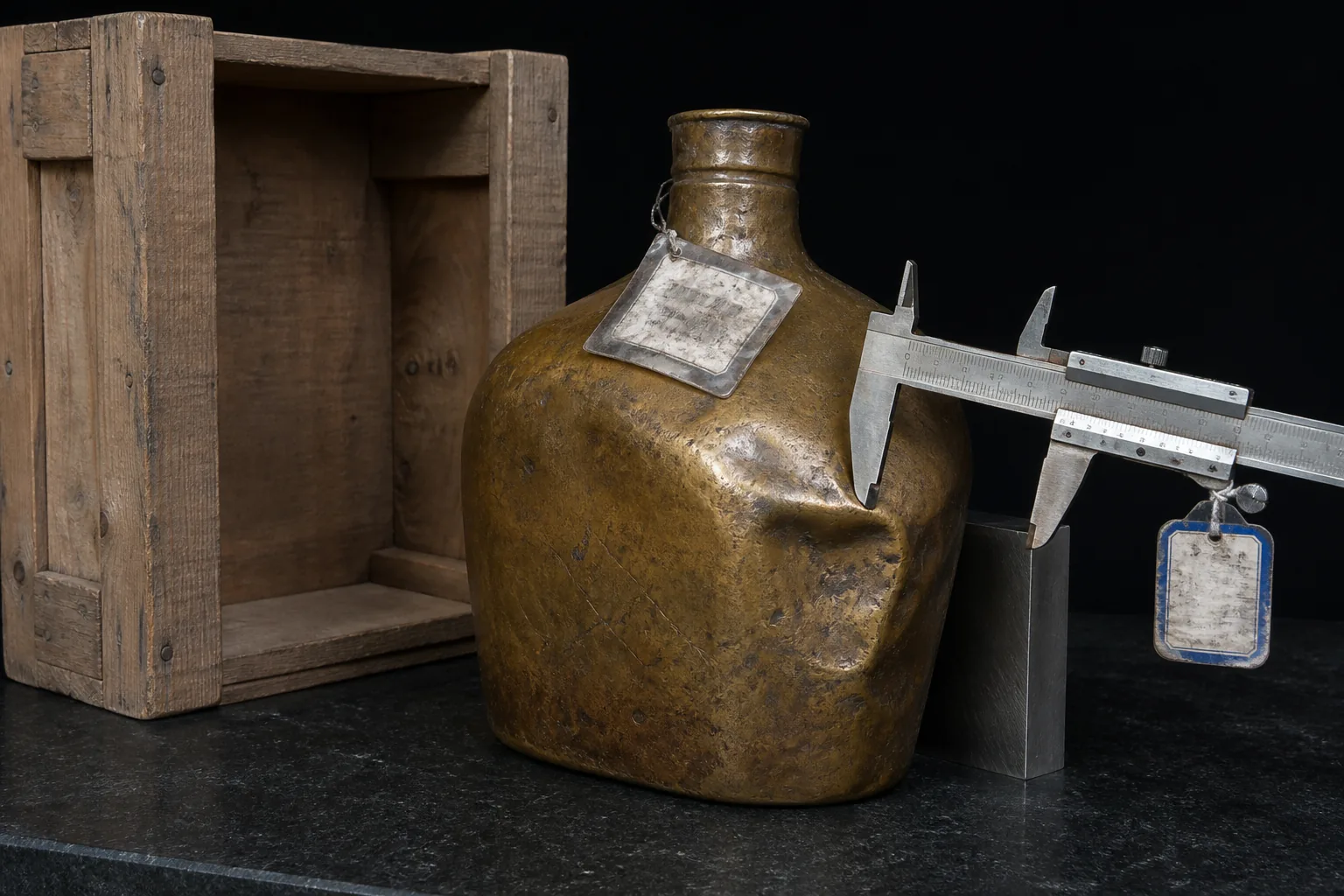
chemical identifiers / 11 MIN READ
This plain piece treats identifiers as powerful filing tools with sharp boundaries. It explains why a number, a formula, a trade name, and a regulatory listing can point near one another without settling the identity question.
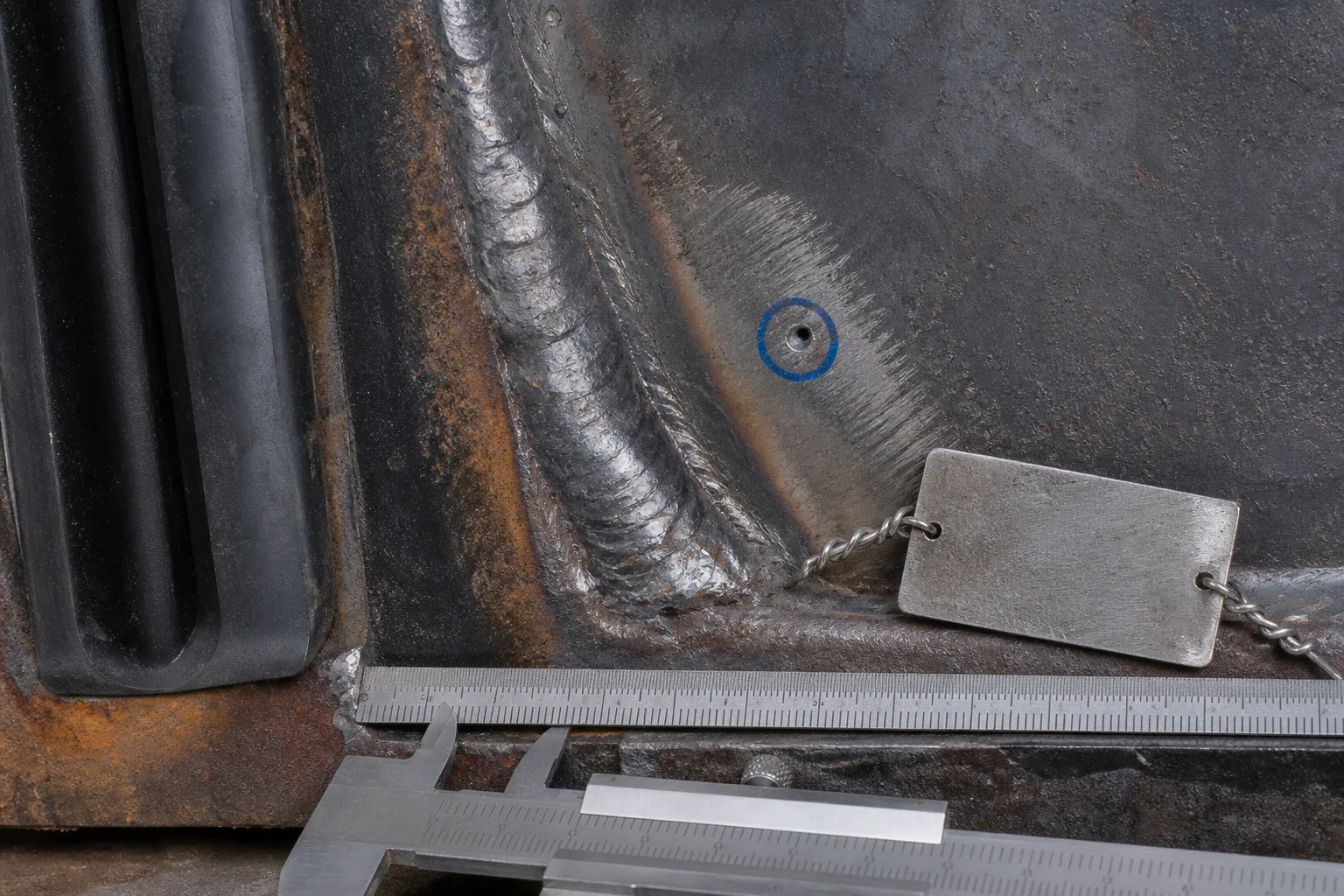
steel / 11 MIN READ
The gate is made from good steel and fails in the small district altered by the torch. It follows heat, residual stress, and notch geometry into the place where the base-metal certificate no longer tells the whole story.
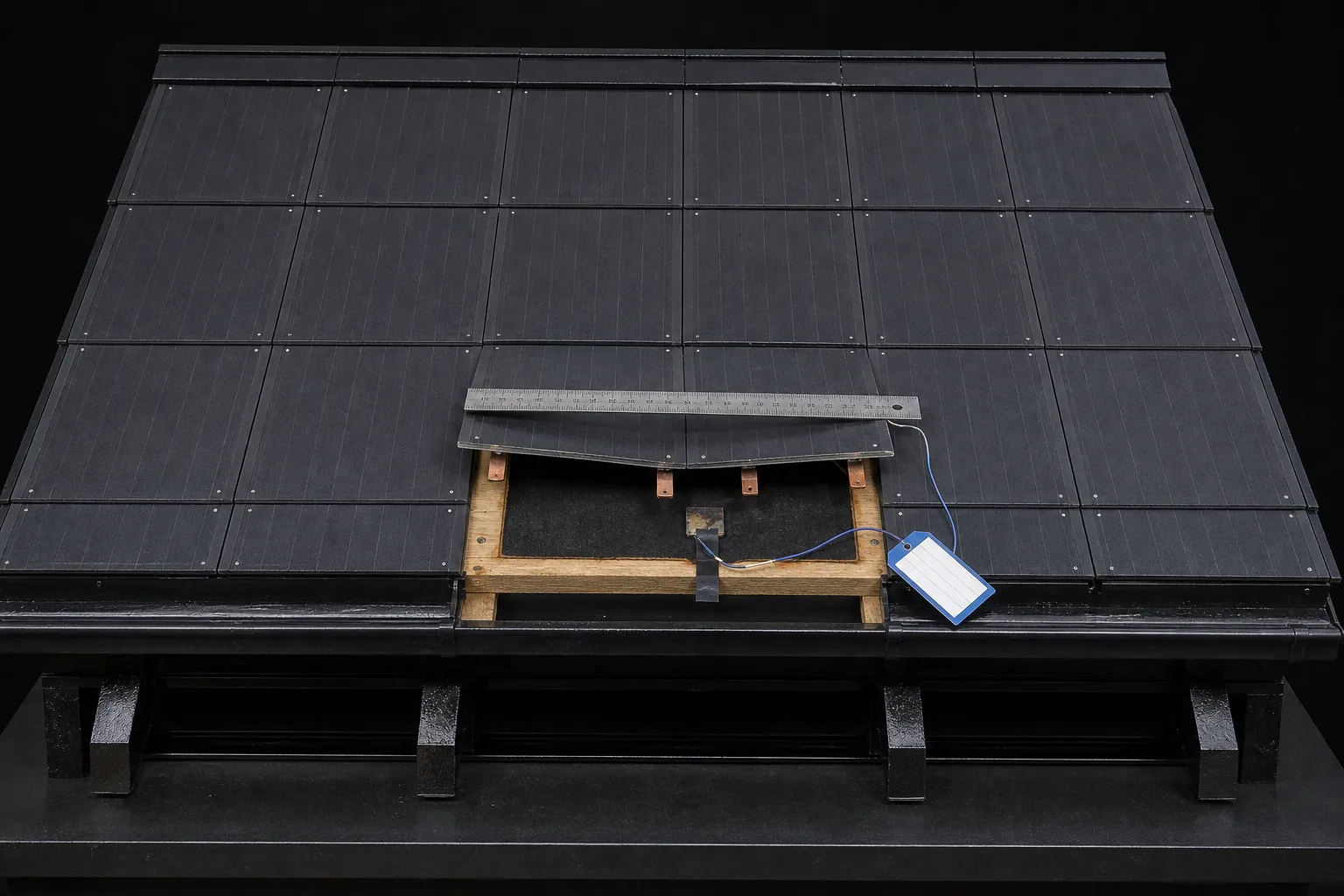
semiconductor materials / 10 MIN READ
The silicon roof is not a passive slab of futuristic black glass. Its electrical behaviour moves with temperature, defects, contacts, and light, making the roof a device before it is a building material.
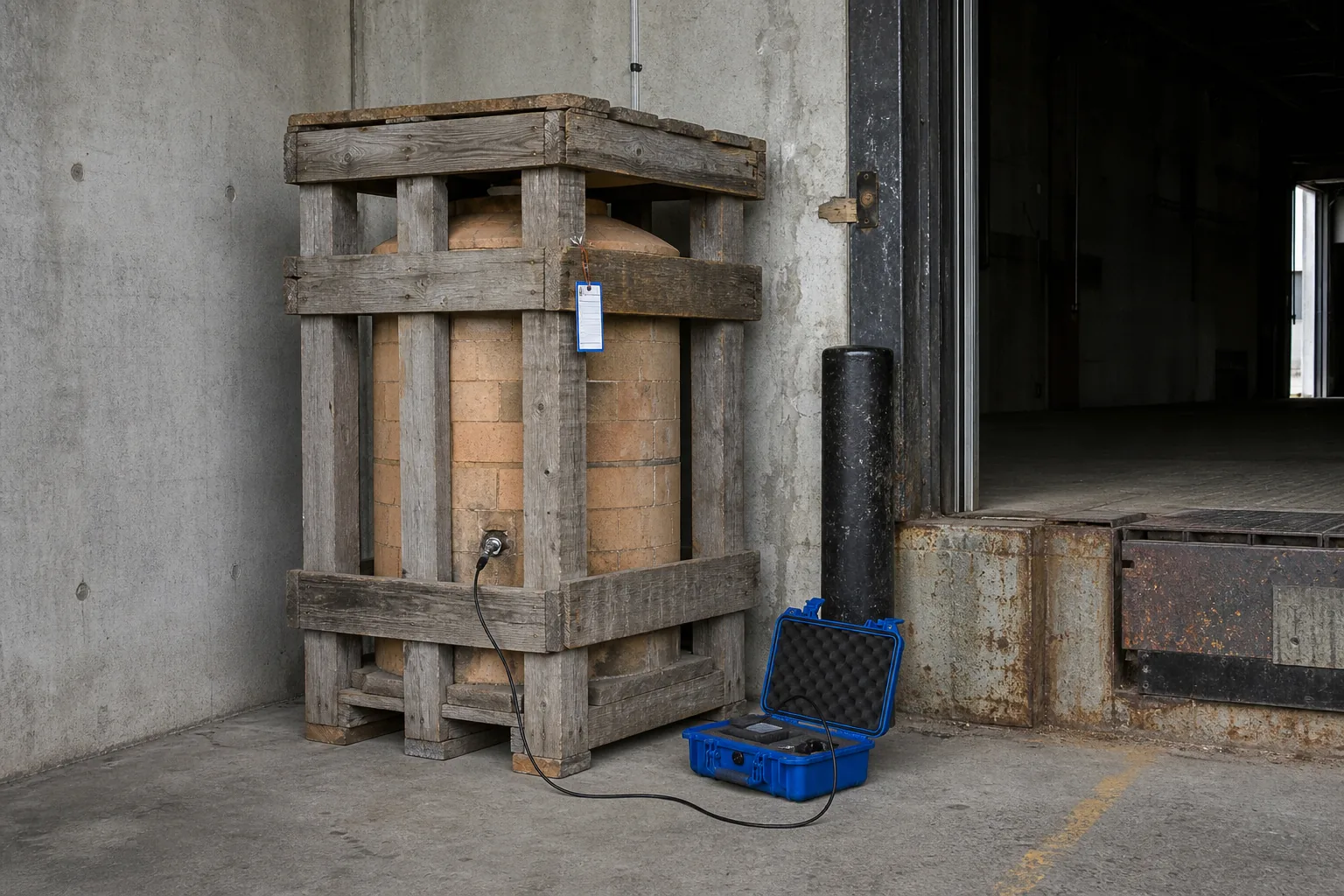
chemical regulation / 11 MIN READ
This plainer safety piece separates classification from the operational work it triggers. It follows a drum from label to safety data, storage, transport, exposure controls, spill response, and local rule.
chemical elements / 10 MIN READ
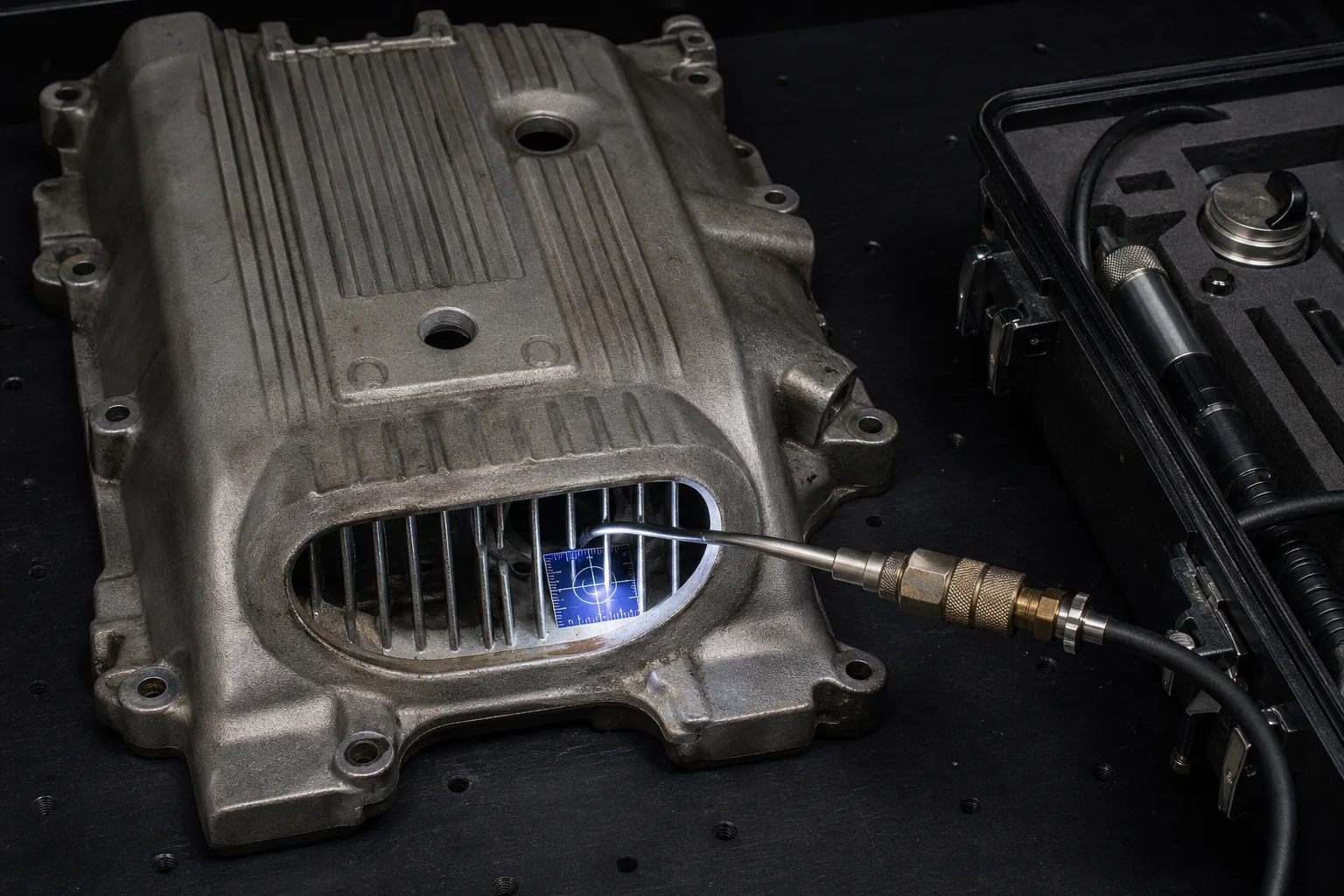
The magnesium car is not a cinematic self-igniting ornament, but it makes the wrong extinguishing instinct matter. The piece follows the material from lightweight promise to the chemistry of a severe fire.
stainless steel / 10 MIN READ
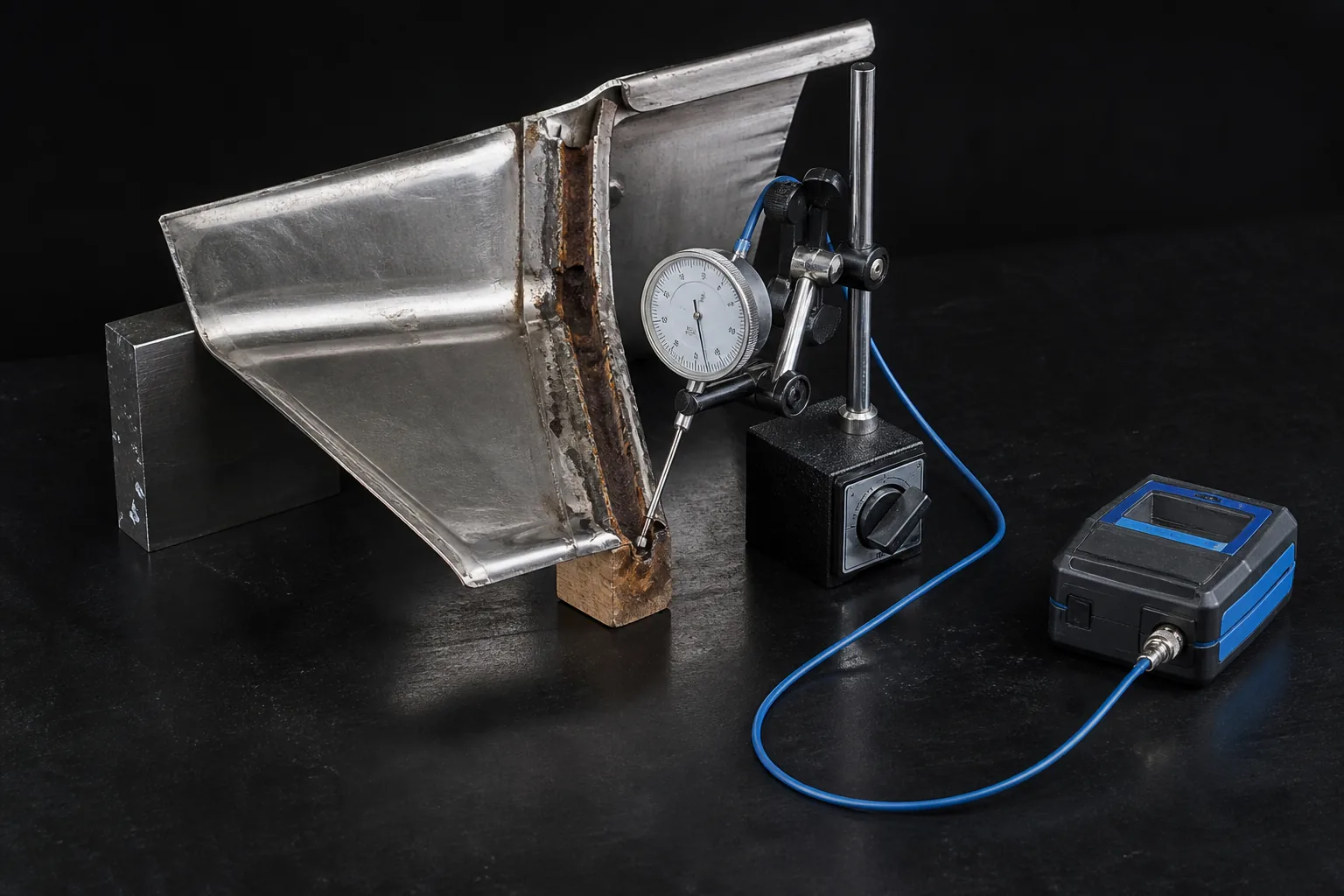
The stainless kitchen looks immaculate until salt water and poor geometry give corrosion a private room. The essay makes the sink seam, not the shiny surface, the engineering object.
chemical handling / 11 MIN READ
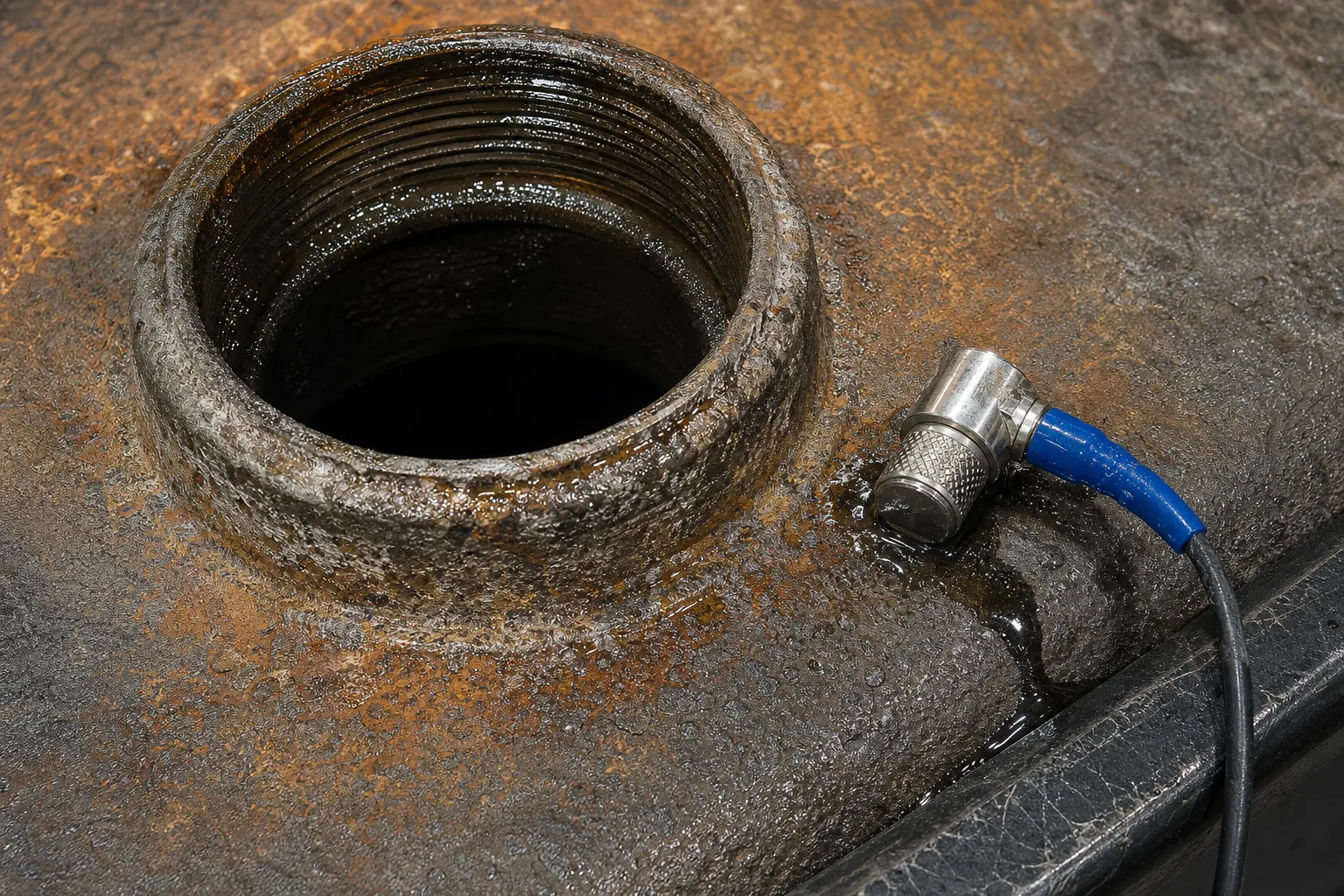
A solvent drum becomes hazardous through its actual work: decanting, ventilation, static control, storage, incompatibility, spill response, and waste. The article is deliberately plainer because the object is already real.
materials standards / 11 MIN READ
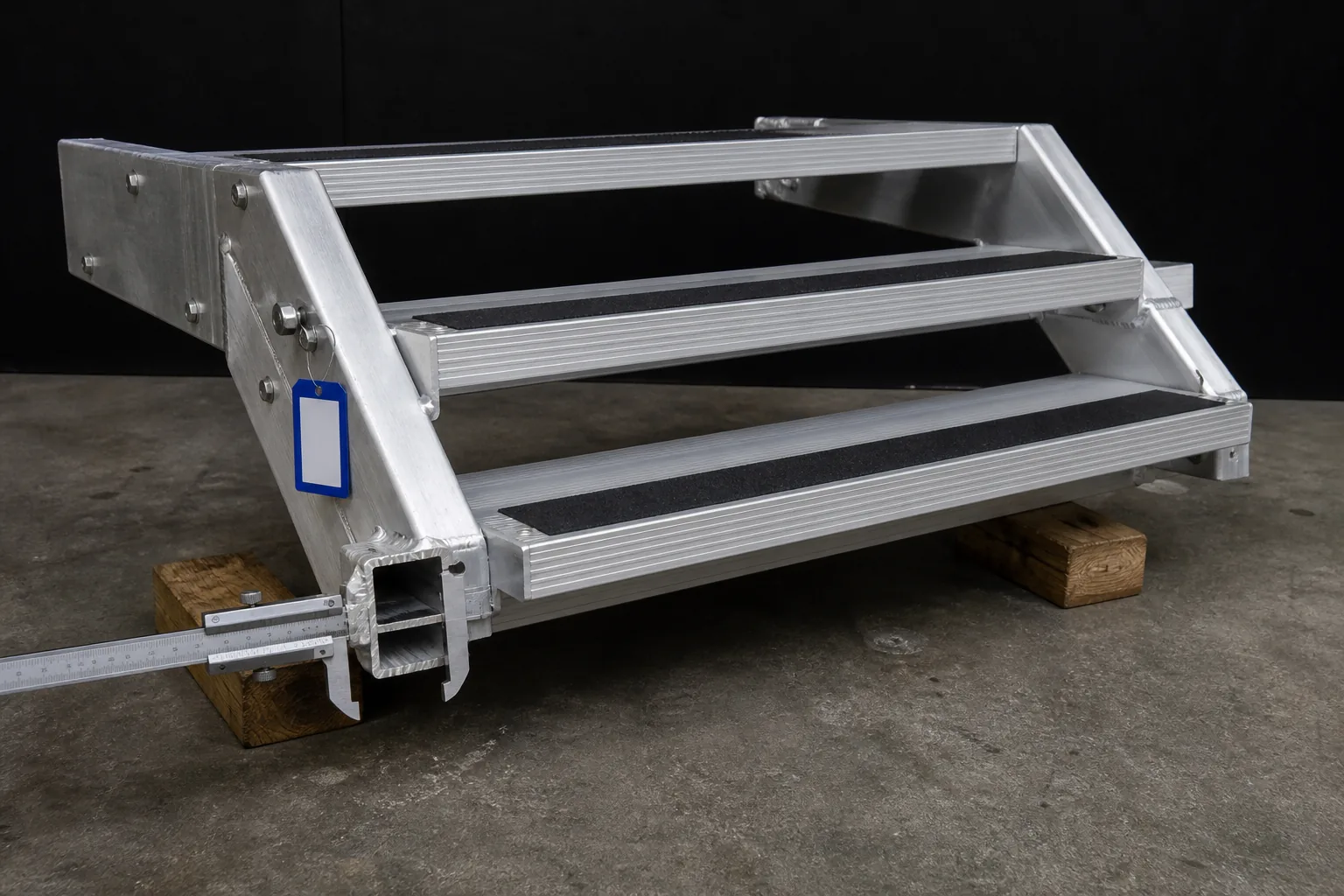
A standard designation is useful retrieval machinery, not a completed engineering instruction. This plainer article follows the number into scope, edition, form, test clauses, and the unglamorous work of making it purchaseable.
refractories / 10 MIN READ
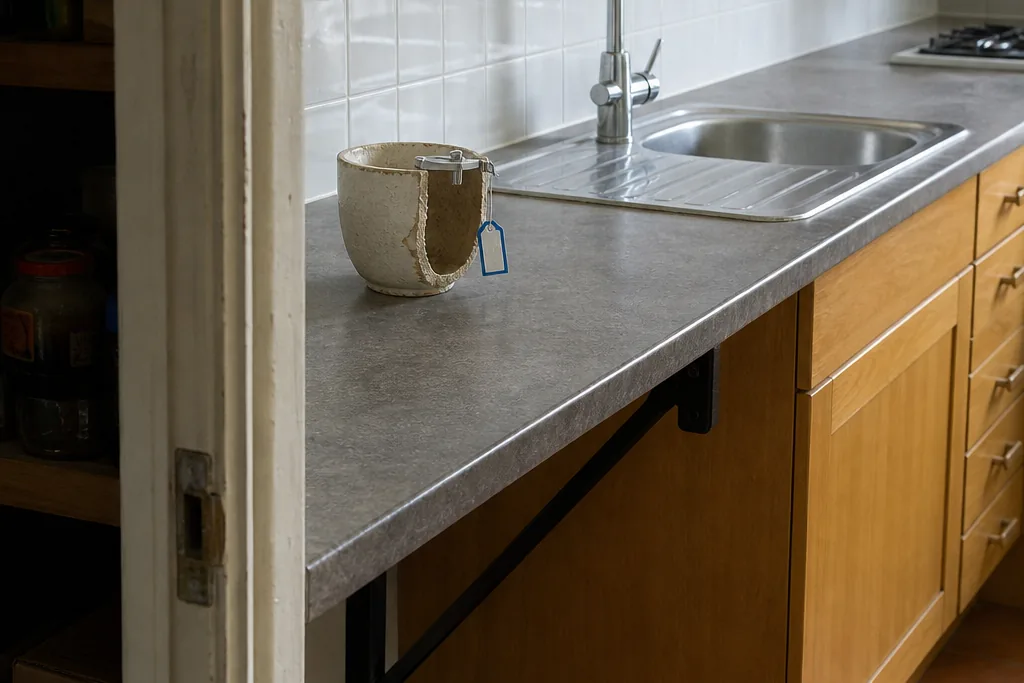
A cup made for furnaces survives the heat and fails the tea. Its embarrassment is not insufficient refractoriness but a temperature gradient that becomes a crack before the temperature can become uniform.
equivalent grades / 13 MIN READ
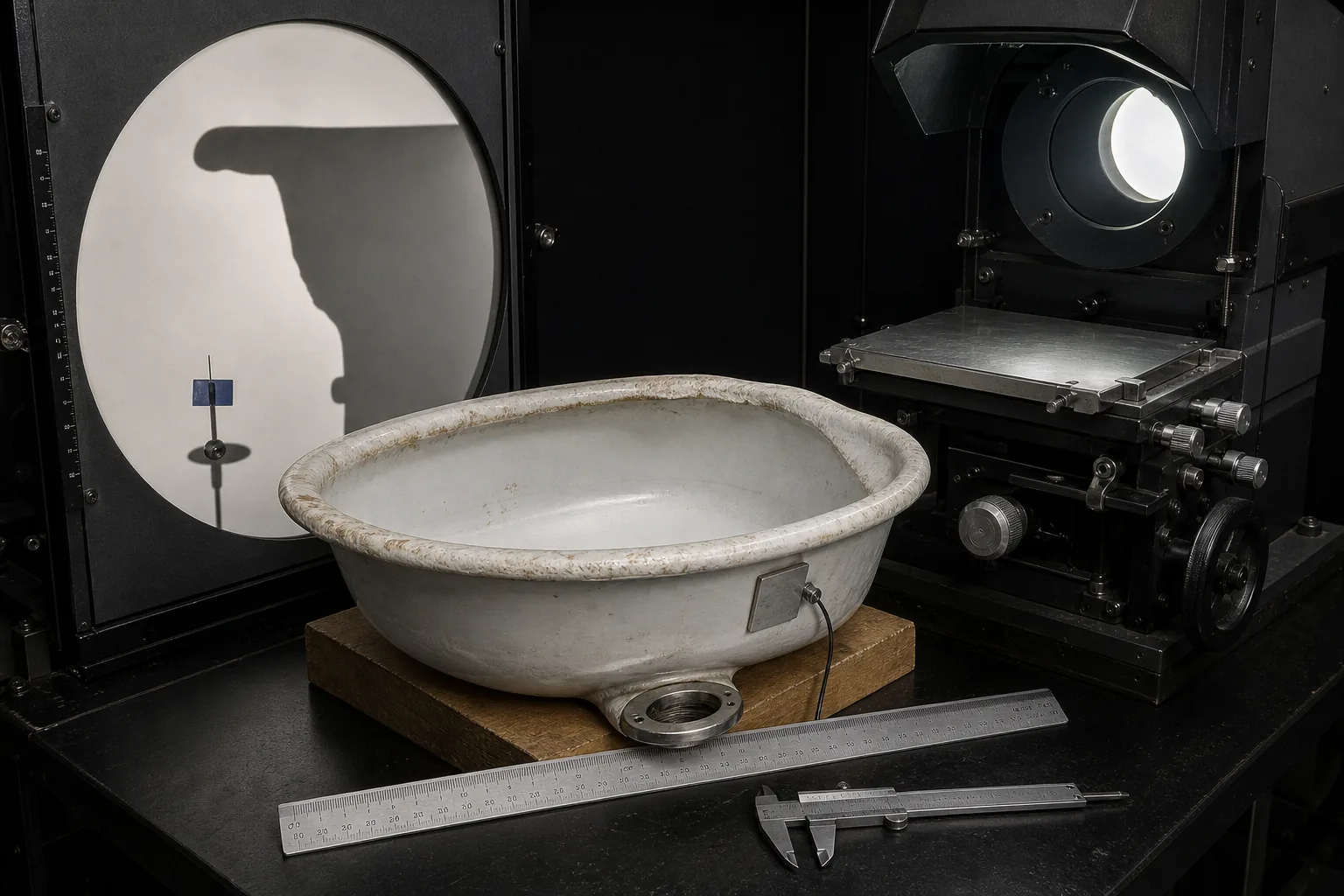
The plainer specification piece dismantles the false comfort of the nearest familiar designation. It shows why a cross-standard grade claim begins with the requirement set and ends only after form, condition, tests, and edition are compared.
aluminum alloys / 11 MIN READ
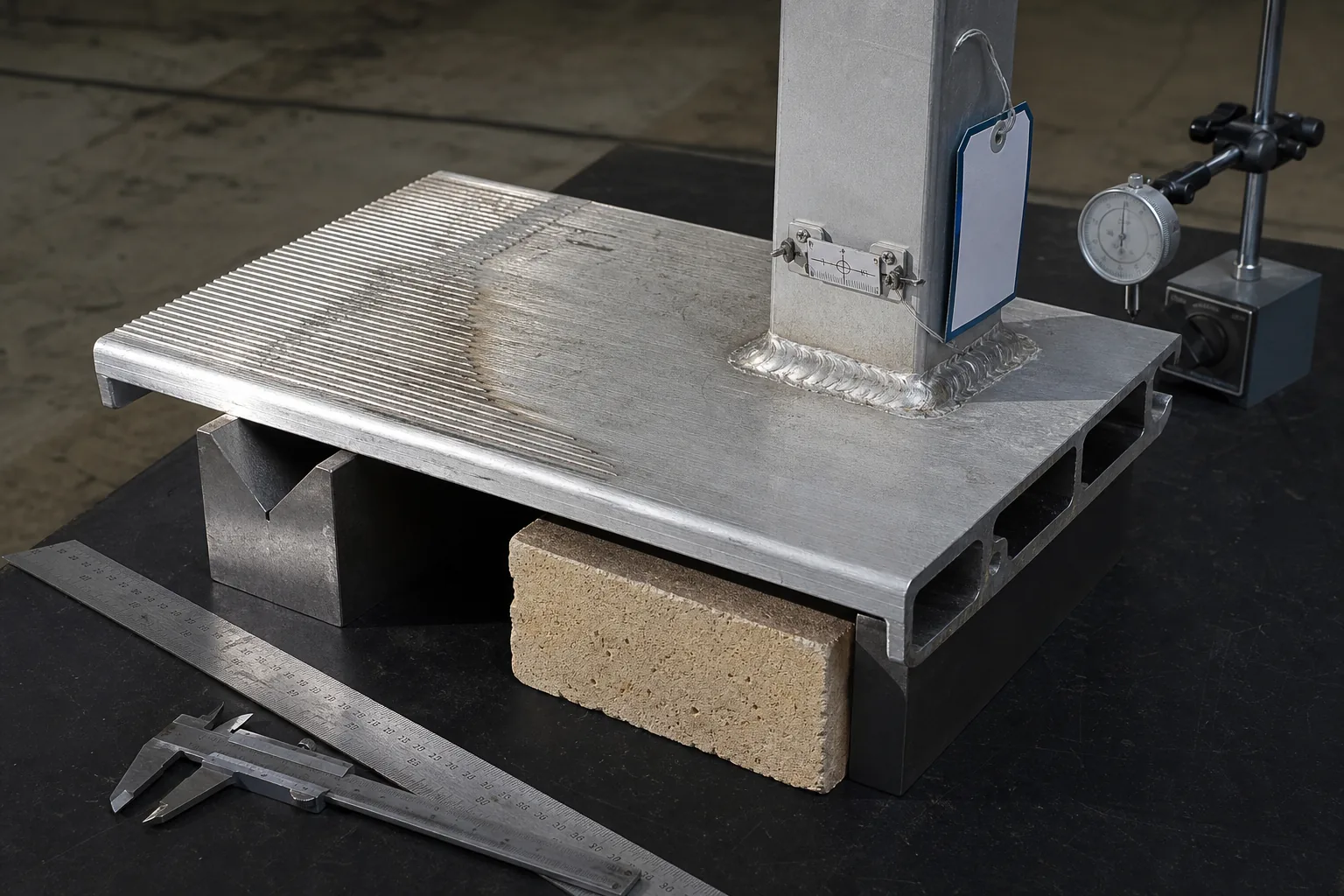
An aluminium footbridge can be well below its static strength and still spend its life one cycle at a time. The article follows traffic, not catastrophe, to explain why finite-life design is a different kind of safety.
thorium / 10 MIN READ
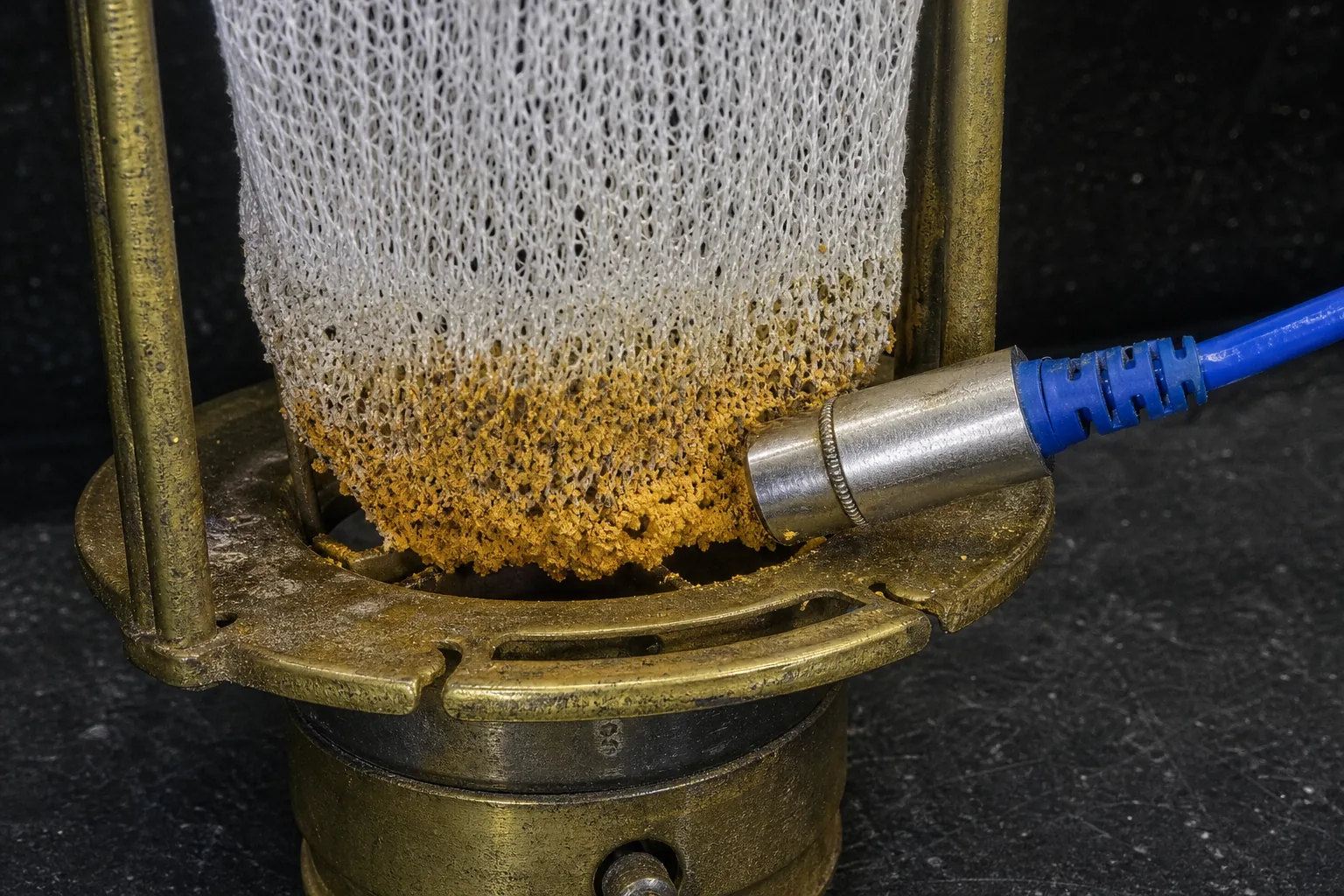
The thorium lamp asks what happens when an old lighting material acquires a damaged, regulated afterlife. Its drama is neither brightness nor bomb-making but identification, decay, dust, and disposal.
coatings / 11 MIN READ
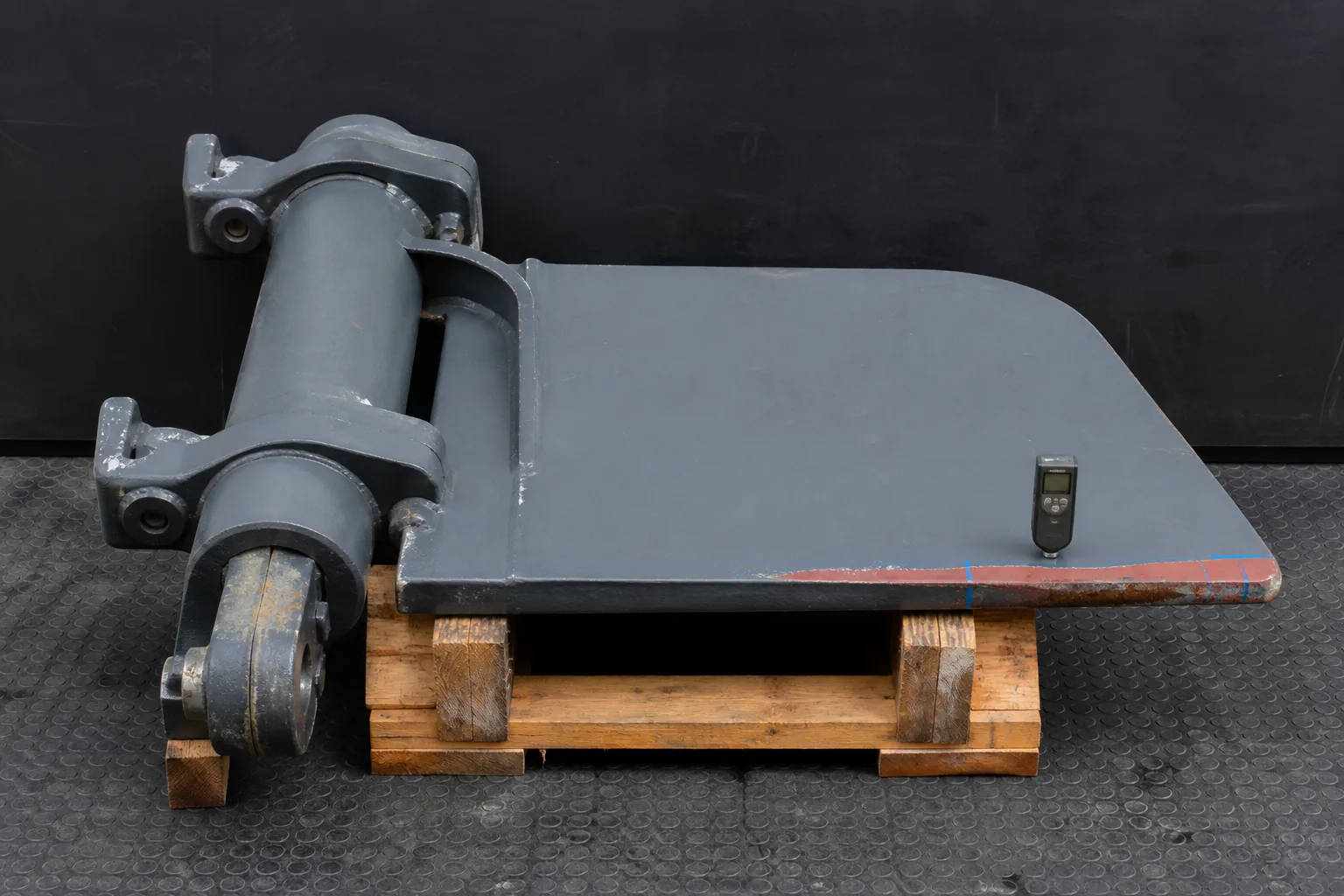
The painted ship is not saved by paint alone. It survives by a coordinated substrate, pretreatment, film thickness, edge treatment, and repair doctrine, all of which arrive at once when a scratch opens.
material selection / 12 MIN READ
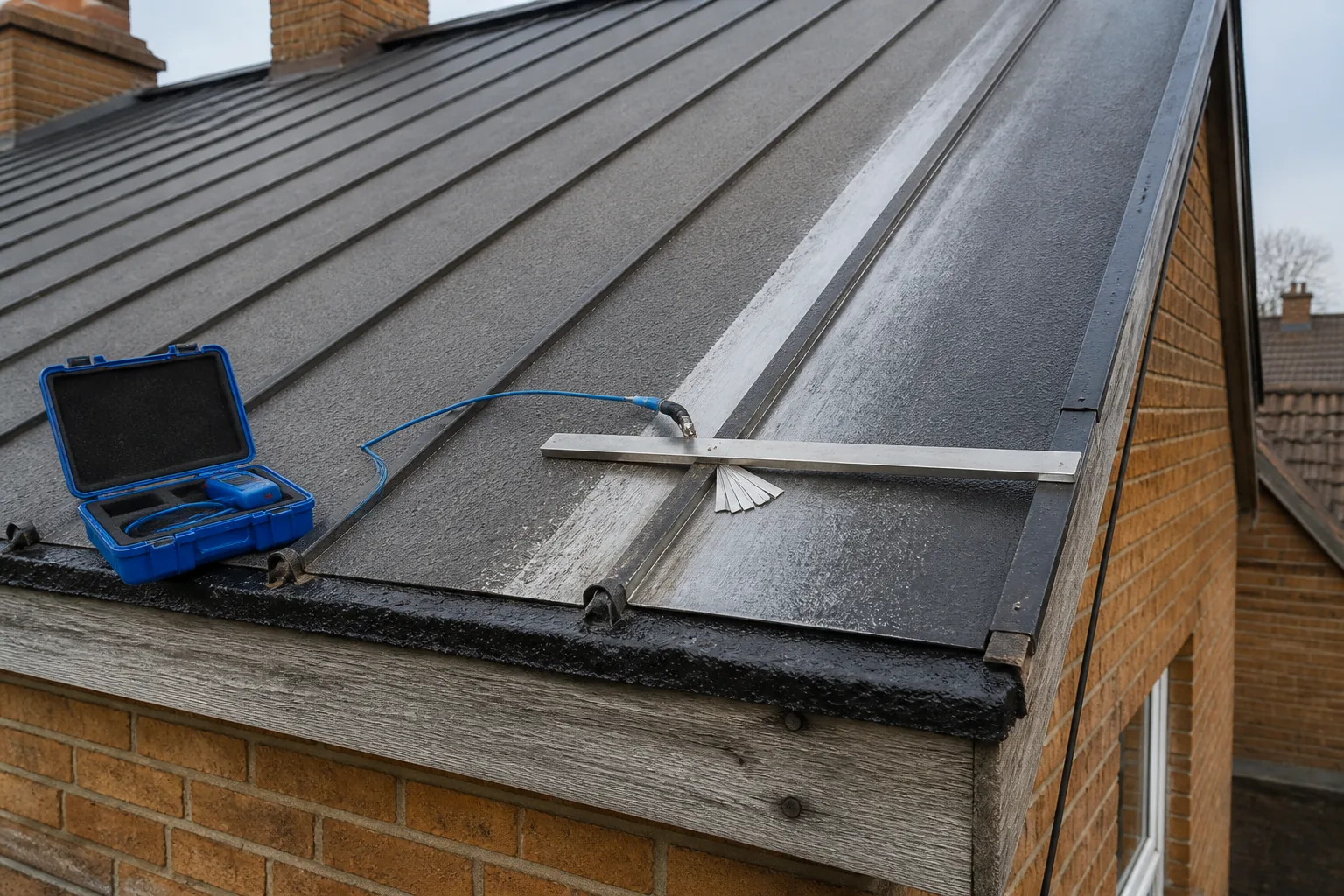
The final plain piece follows an excellent material choice into the moment it must become plate, tube, casting, forging, wire, or powder. It is where a selection chart meets tolerances, directionality, availability, and the actual factory.

adhesives / 11 MIN READ
The bonded balcony is not a criticism of adhesive joints; it is a criticism of pretending that a joint has no temperature, peel stress, cure history, or inspection problem. The grand failure begins in a very thin layer.
aluminum alloys / 10 MIN READ
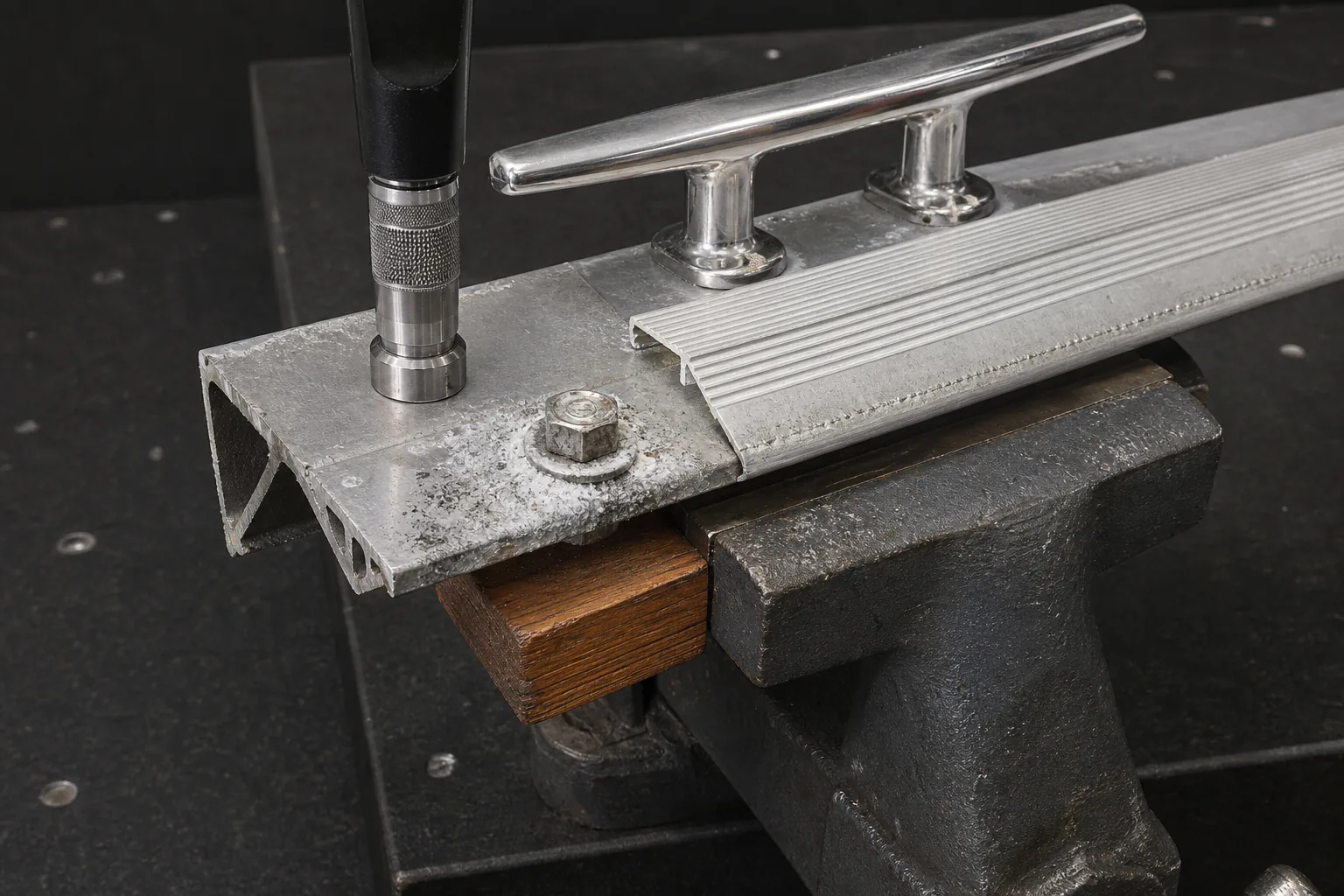
The aluminium hull meets stainless hardware and discovers that a fastener can be a chemical design decision. The piece keeps the boat distinct from the copper roof by making seawater, area ratio, and isolation the principal actors.
titanium alloys / 11 MIN READ
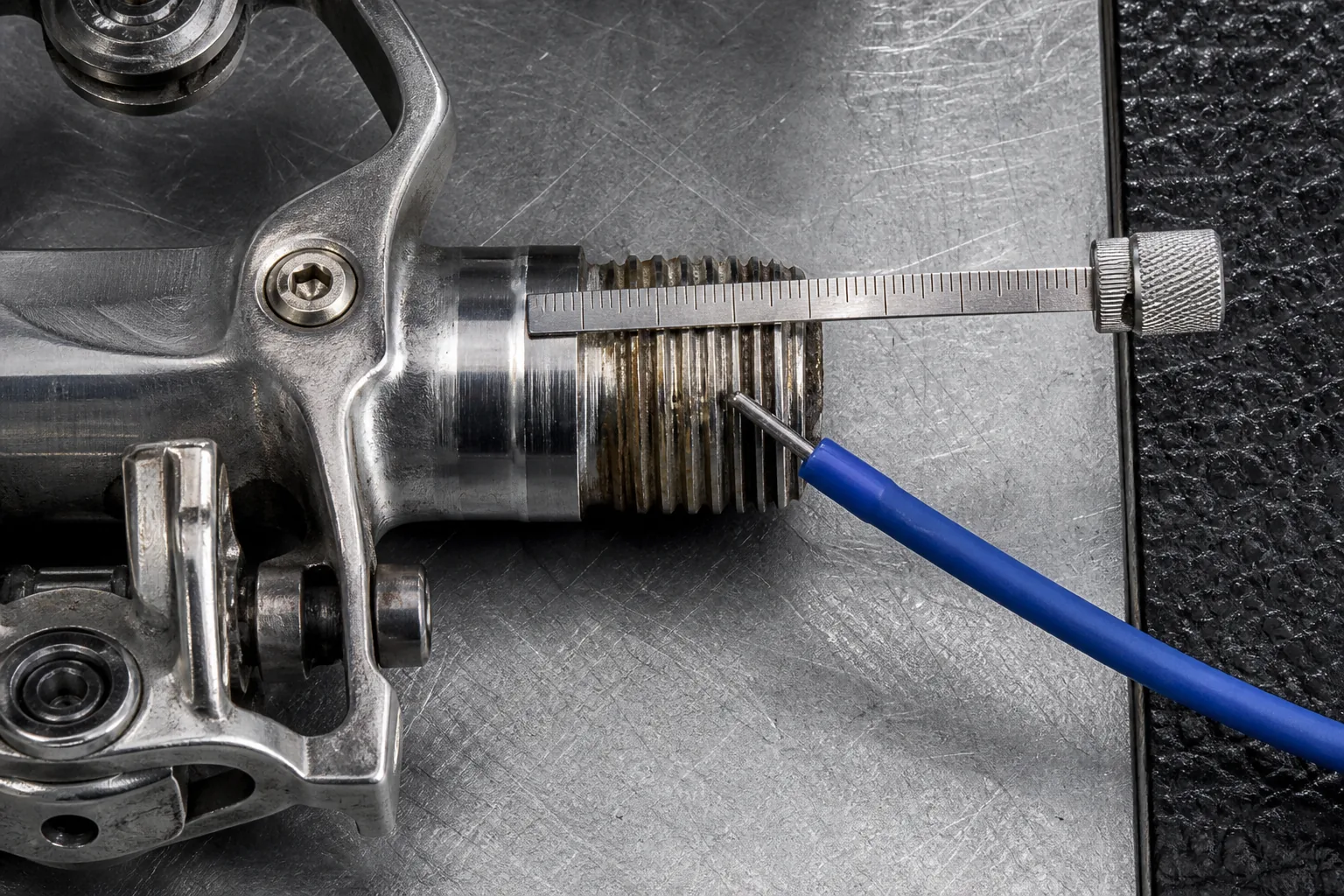
The titanium bicycle is light and durable until two clean titanium surfaces begin to quarrel under contact. The failure is adhesive wear: a mechanical intimacy, not a lack of tensile strength.
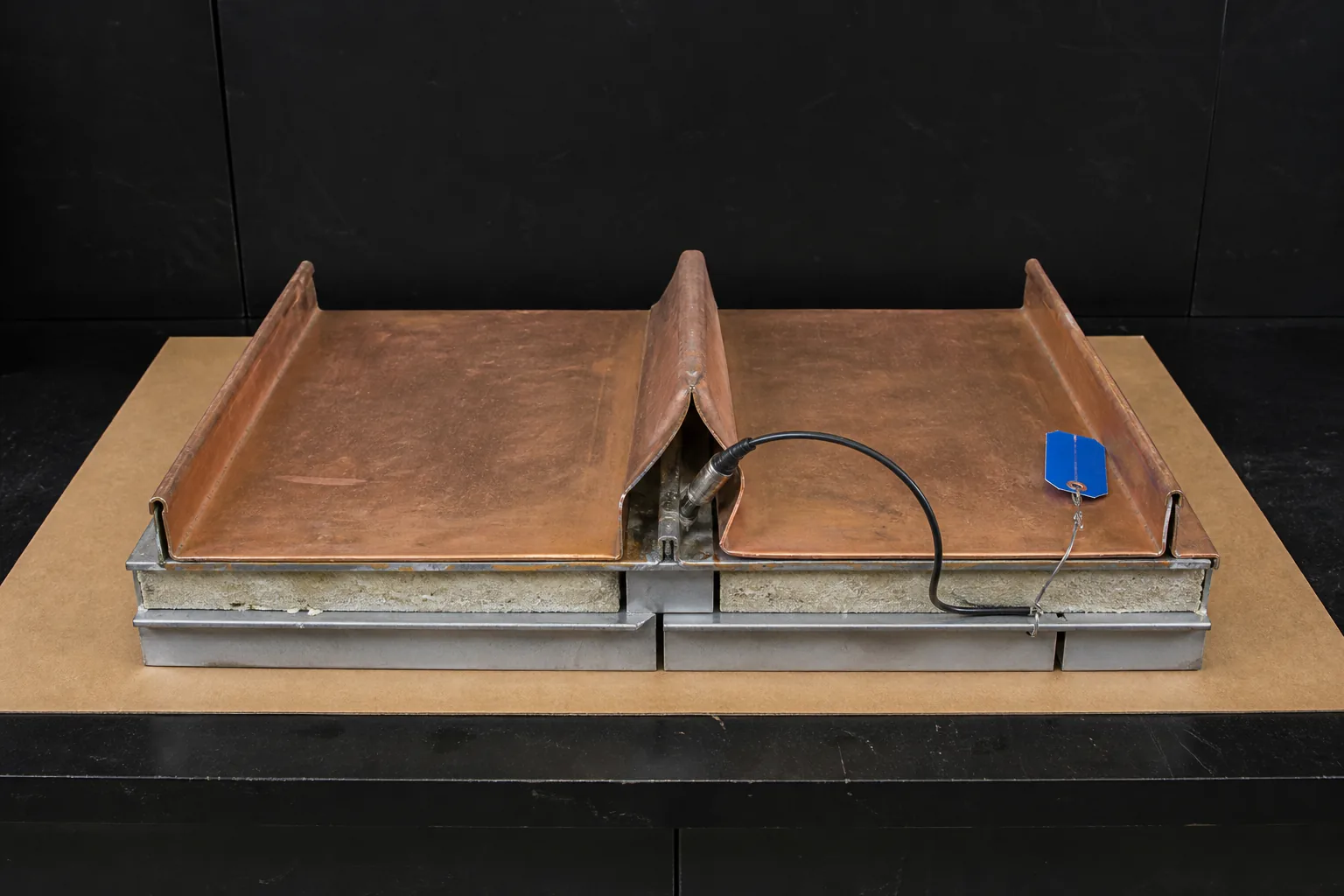
copper alloys / 9 MIN READ
The roof fails not because copper is poor outdoors, nor because steel screws are weak, but because the two are invited to share an electrolyte. Rain supplies the missing wire in an electrochemical argument.
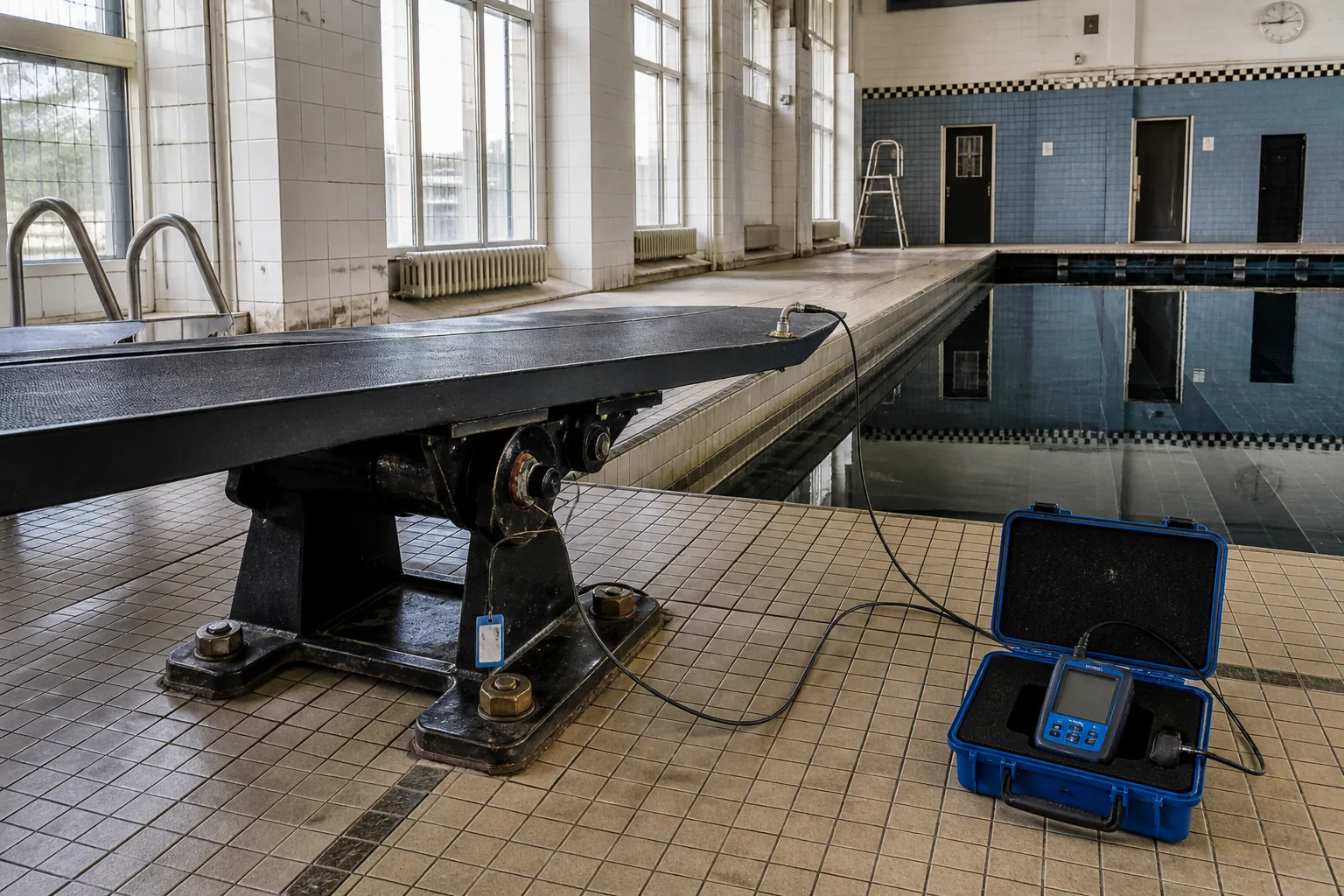
composites / 10 MIN READ
The board is wonderfully stiff in its intended direction and quietly vulnerable where impact, holes, and ply interfaces intrude. Its failure is an argument about damage accumulation rather than spectacular overload.
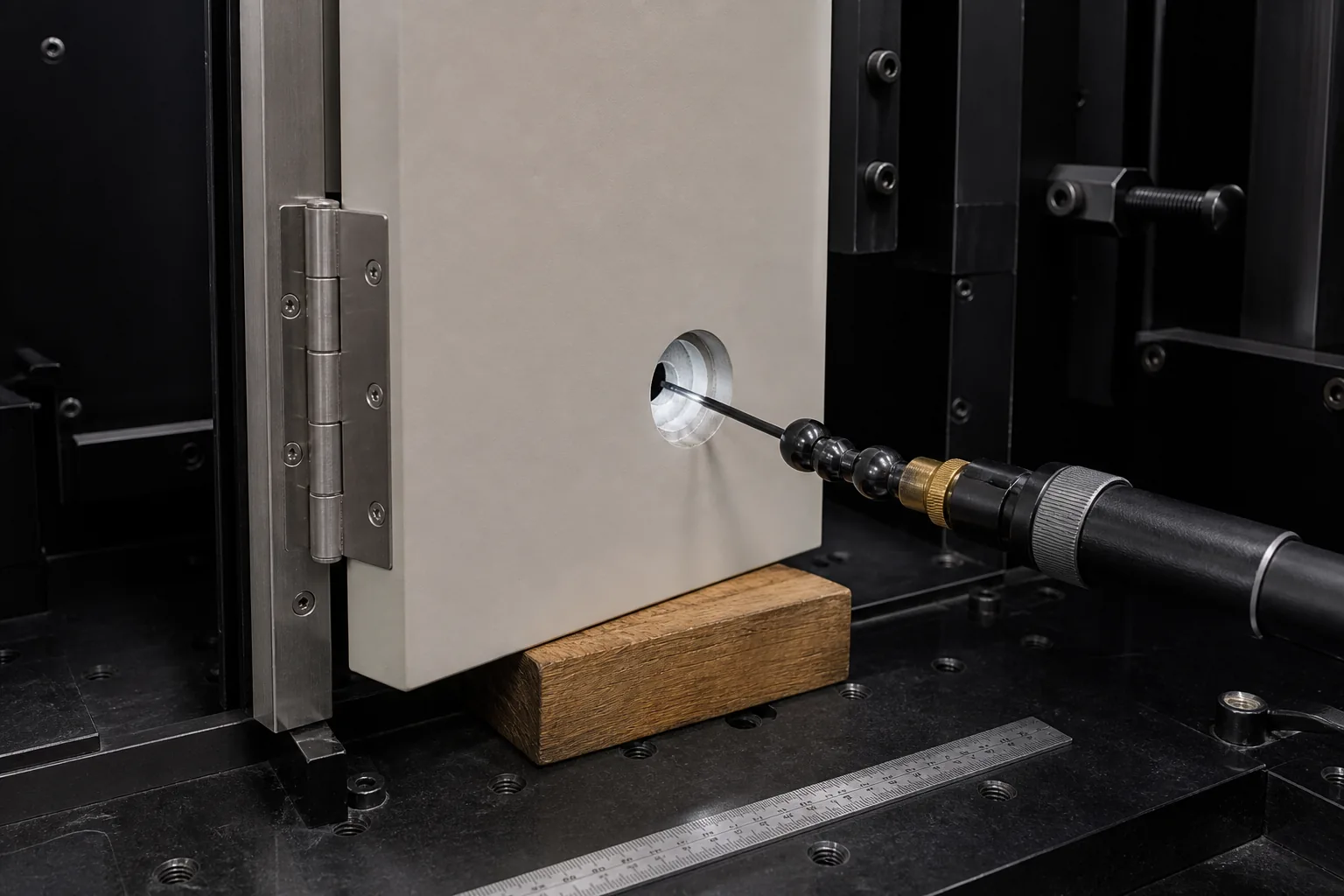
ceramics / 10 MIN READ
The ceramic door brings a splendidly hard surface to an ordinary house and then meets the first imperfectly aligned visitor. It explains why hardness is an indentation result, not a synonym for toughness.
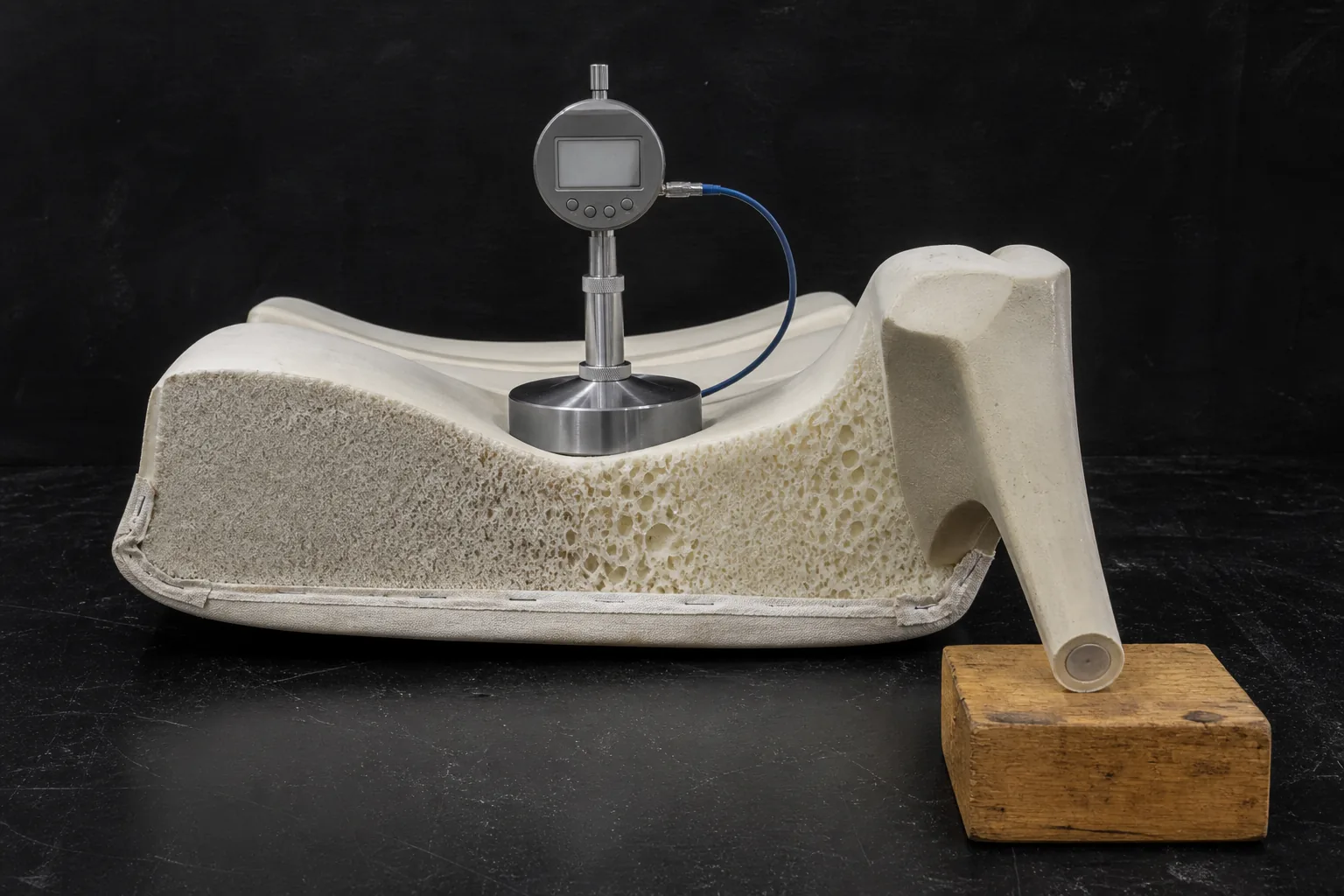
foams / 10 MIN READ
The foam chair possesses admirable insulation and a scandalously small load path. It makes density, cell structure, and crushing behaviour do the explanatory work that a product photograph cannot.
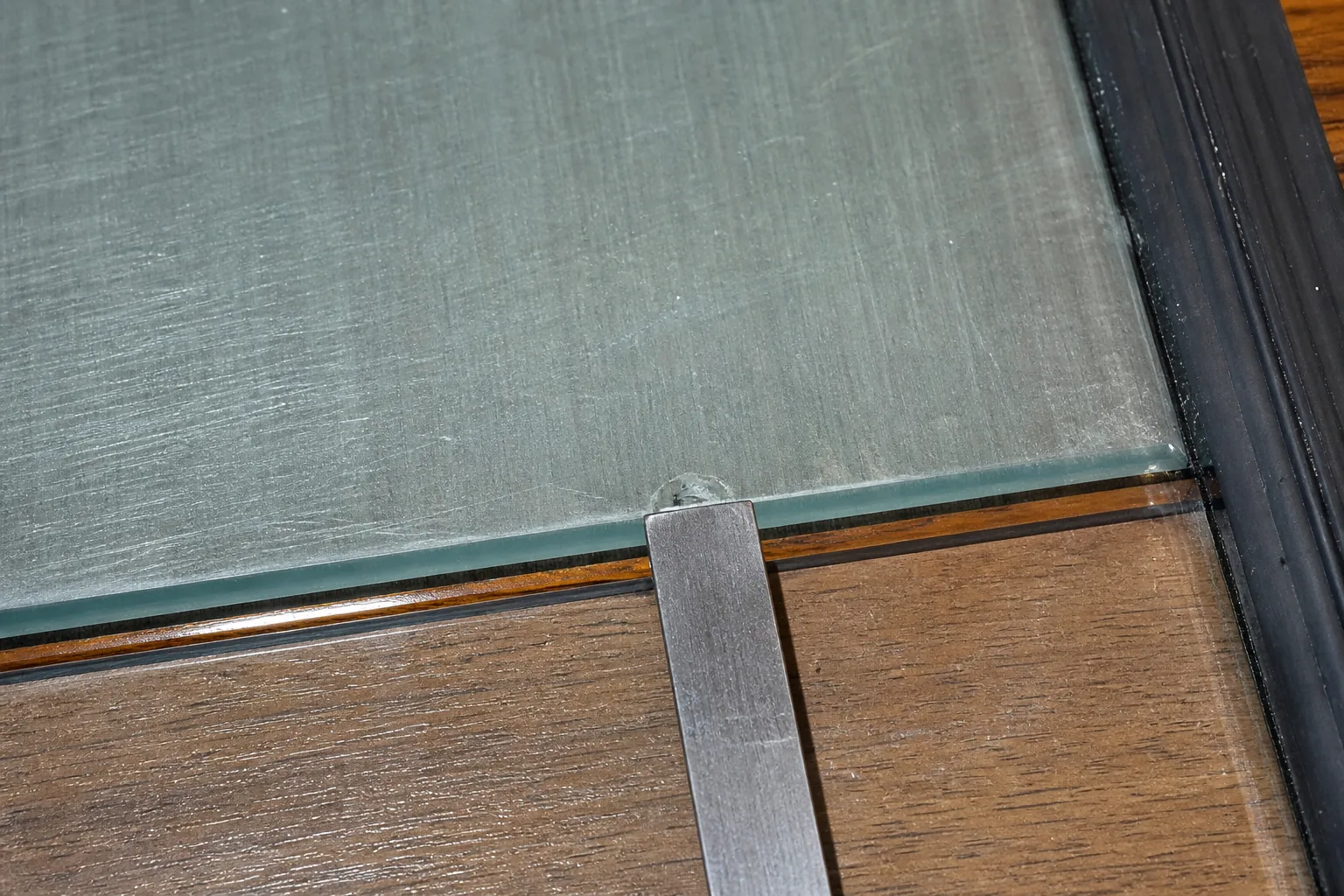
glass / 11 MIN READ
The glass floor is not defeated by a lack of compressive strength but by the defect it must tolerate. It distinguishes tempered, laminated, and merely thick glass before somebody tests the distinction with a heel.
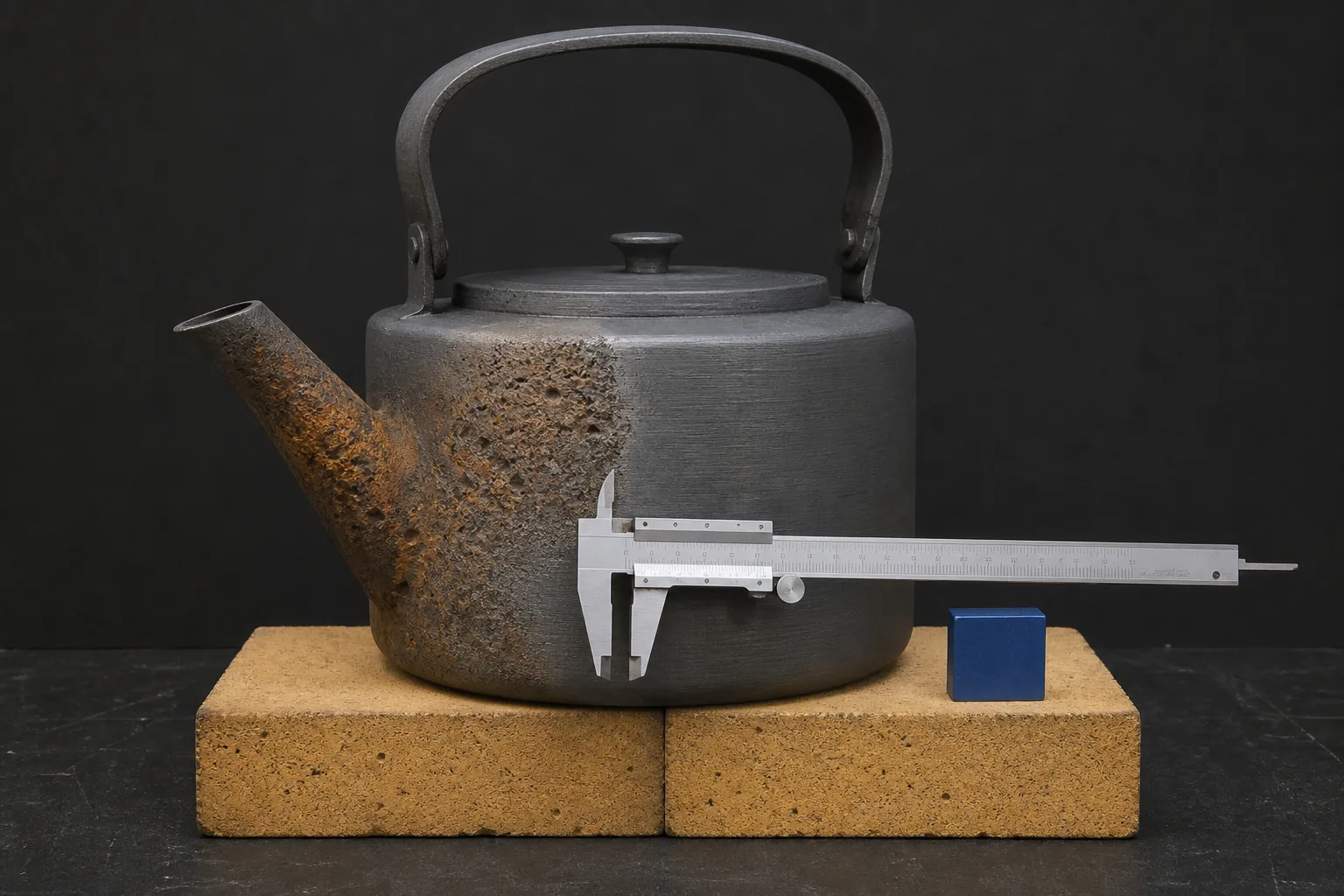
carbon materials / 11 MIN READ
The graphite kettle survives temperatures that embarrass ordinary cookware and then discovers that a hot atmosphere is also a reagent. It corrects the habit of treating a high melting point as a complete thermal biography.
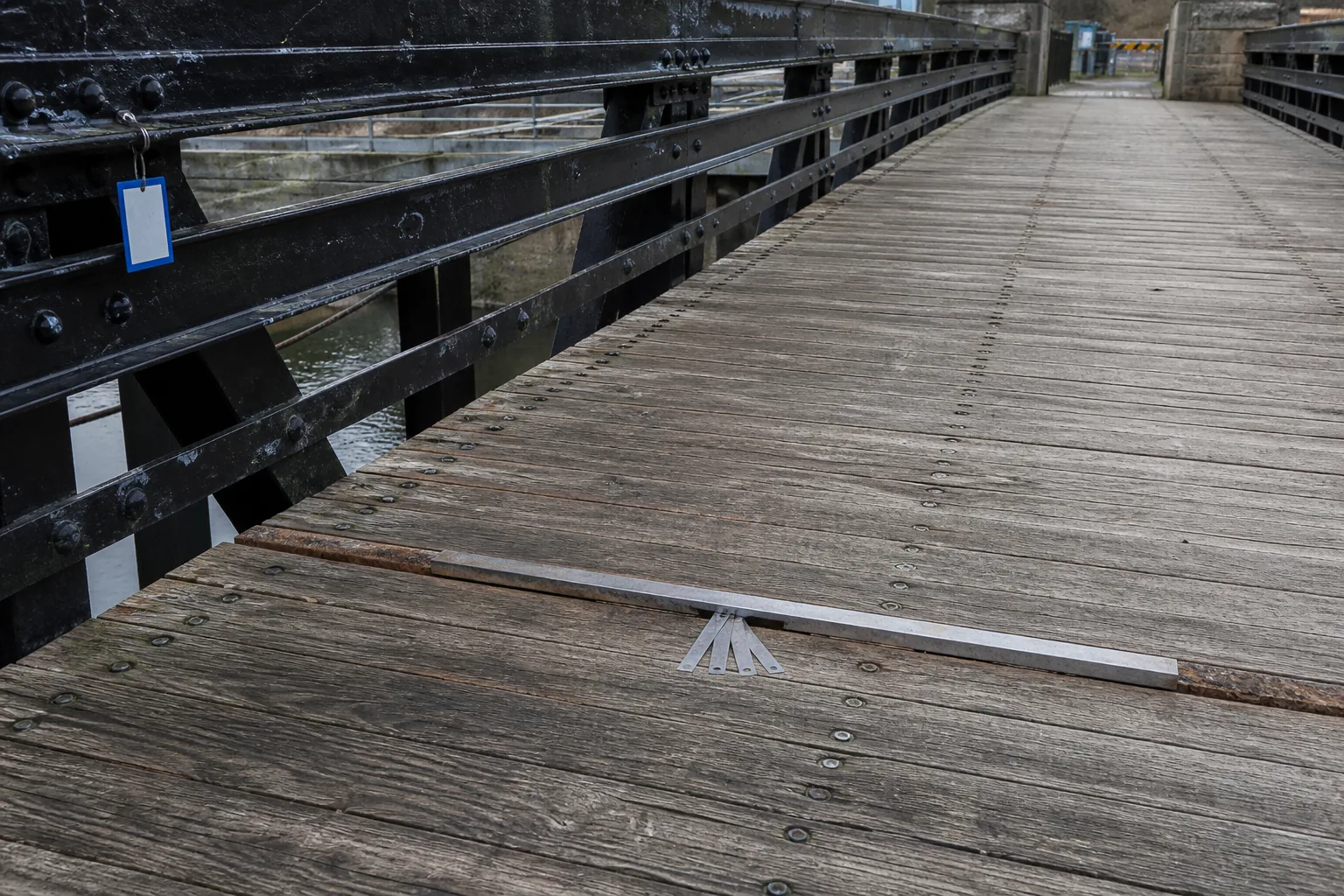
elastomers / 10 MIN READ
The rubber expansion joint appears elastic and indestructible until time, heat, and compression remove the force it was meant to keep. It is a failure of relaxation, not theatrical rupture.

metals / 10 MIN READ
A bookshelf made of lead discovers that a structure can fail without a single dramatic overload. Its slow defeat is governed by time-dependent strain, not by the handsome density that made the scheme seem substantial.
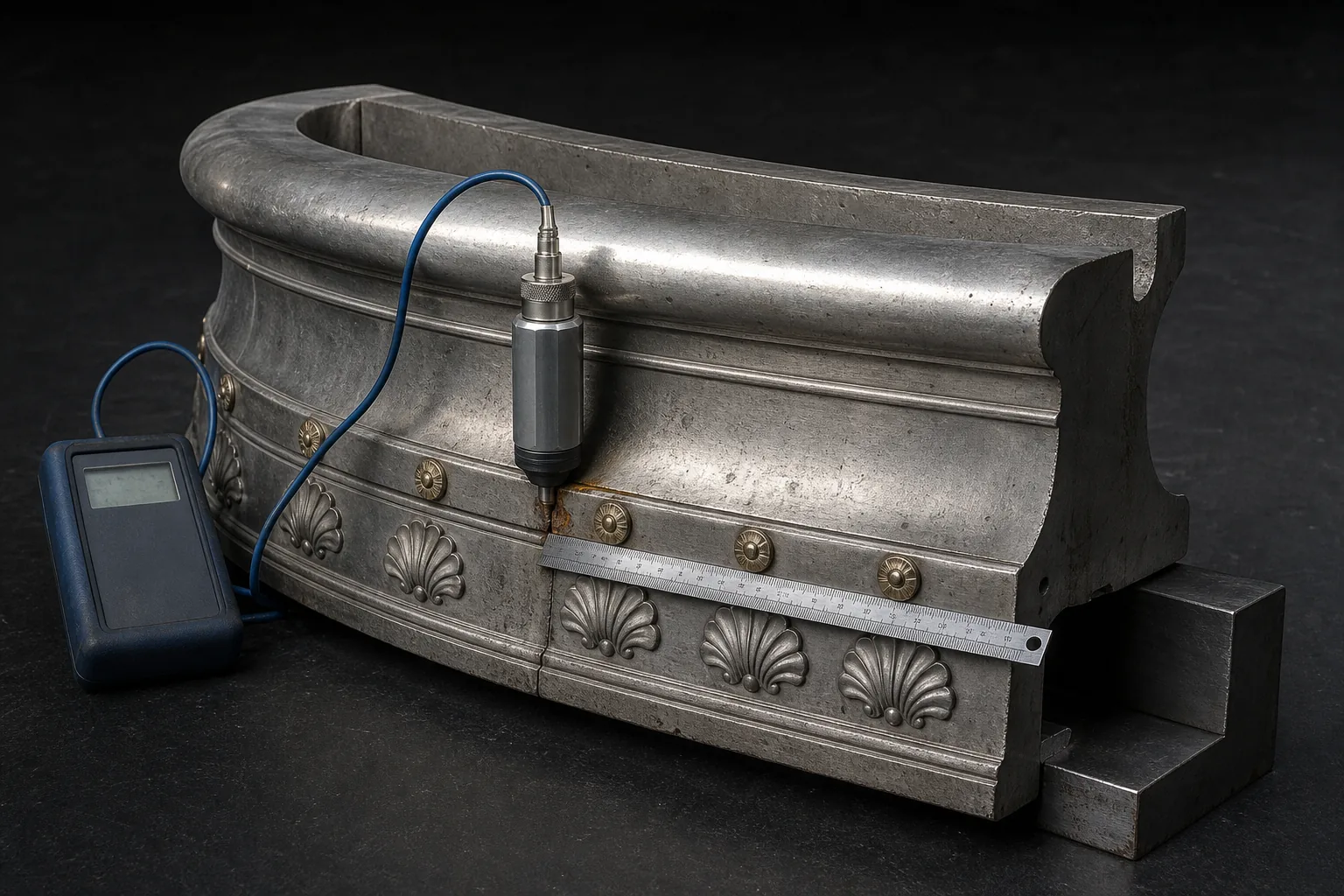
nickel alloys / 11 MIN READ
A fountain made to circulate acid lets an expensive alloy meet its less expensive enemy: the narrow stagnant gap. The article is about compatibility charts arriving at the point where conditions stop being chart-like.
uranium / 9 MIN READ
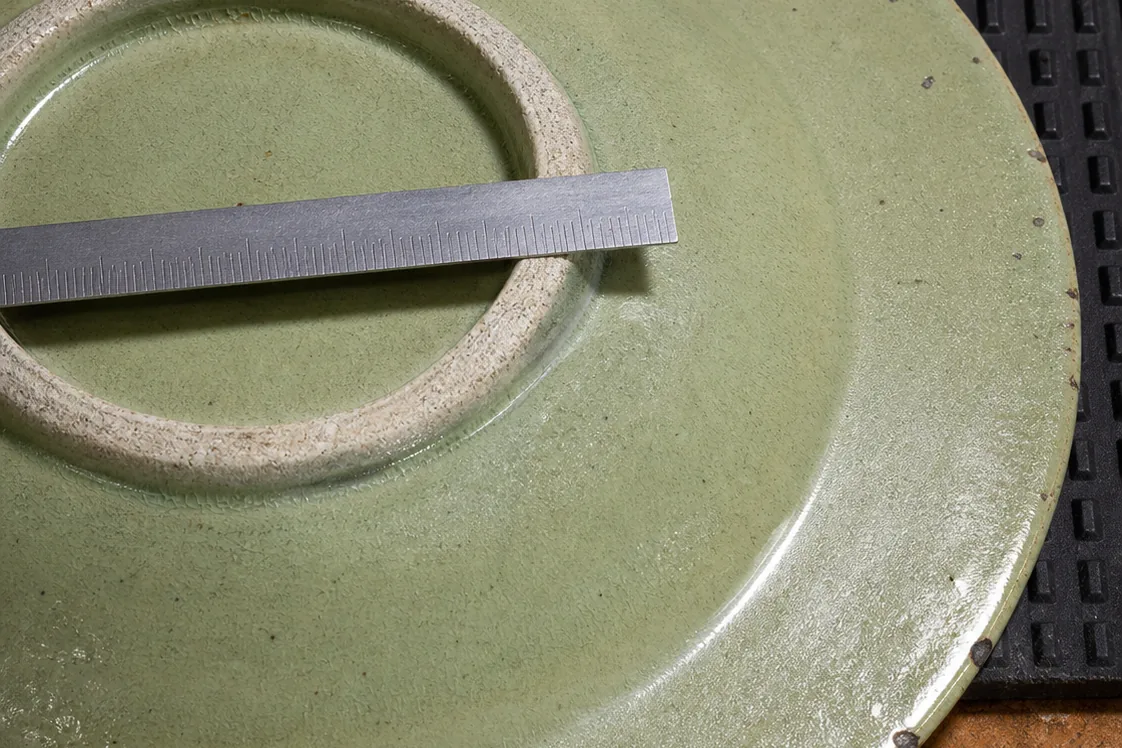
The uranium table service has less to do with a green glow than with routes of exposure, chemical form, and damaged surfaces. The broken plate is the real change of state.
polymers / 9 MIN READ
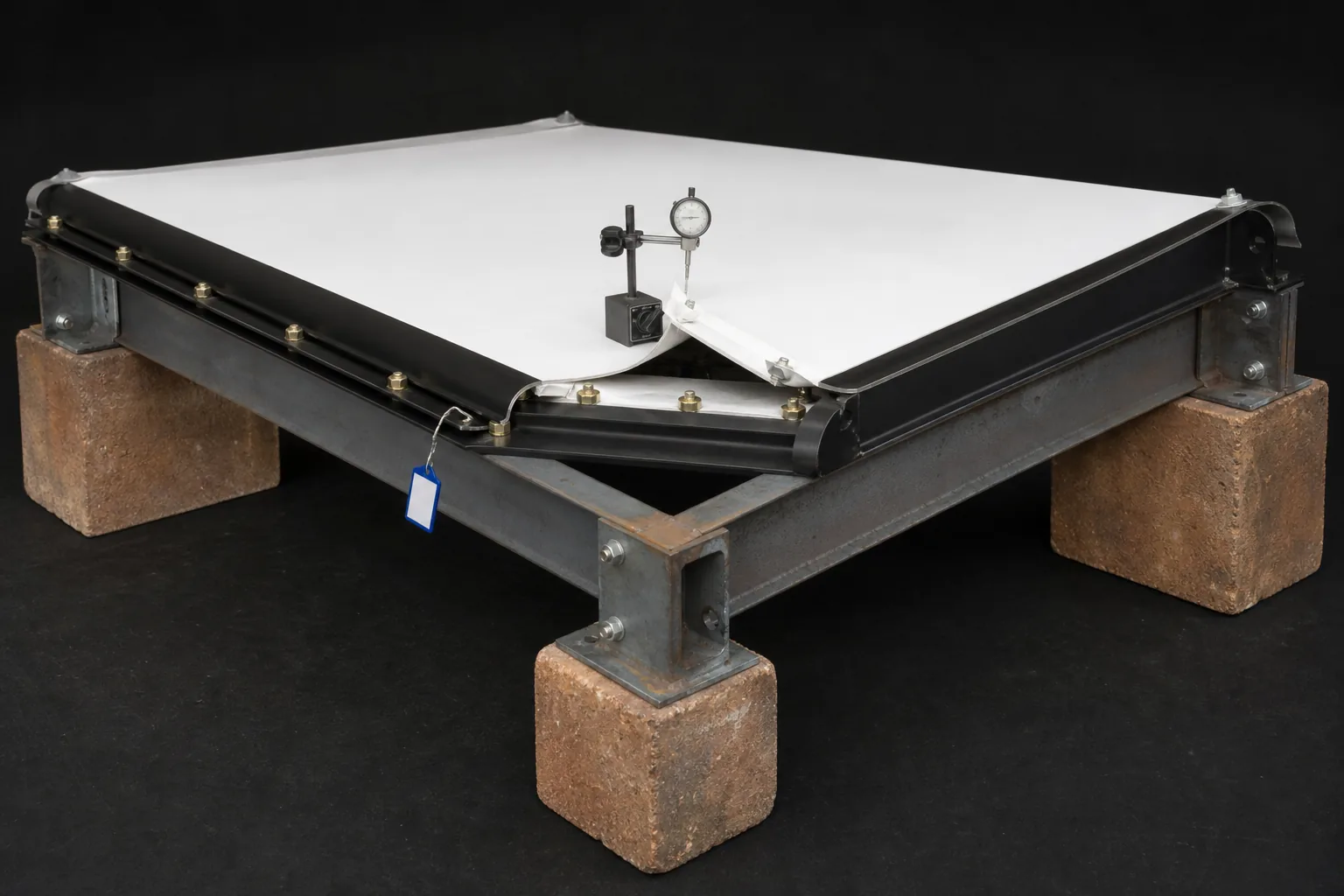
The PTFE roof is superbly reluctant to react and equally reluctant to become part of a building. It puts chemical resistance against the practical necessity of seams, fasteners, and adhesion.
superalloys / 11 MIN READ
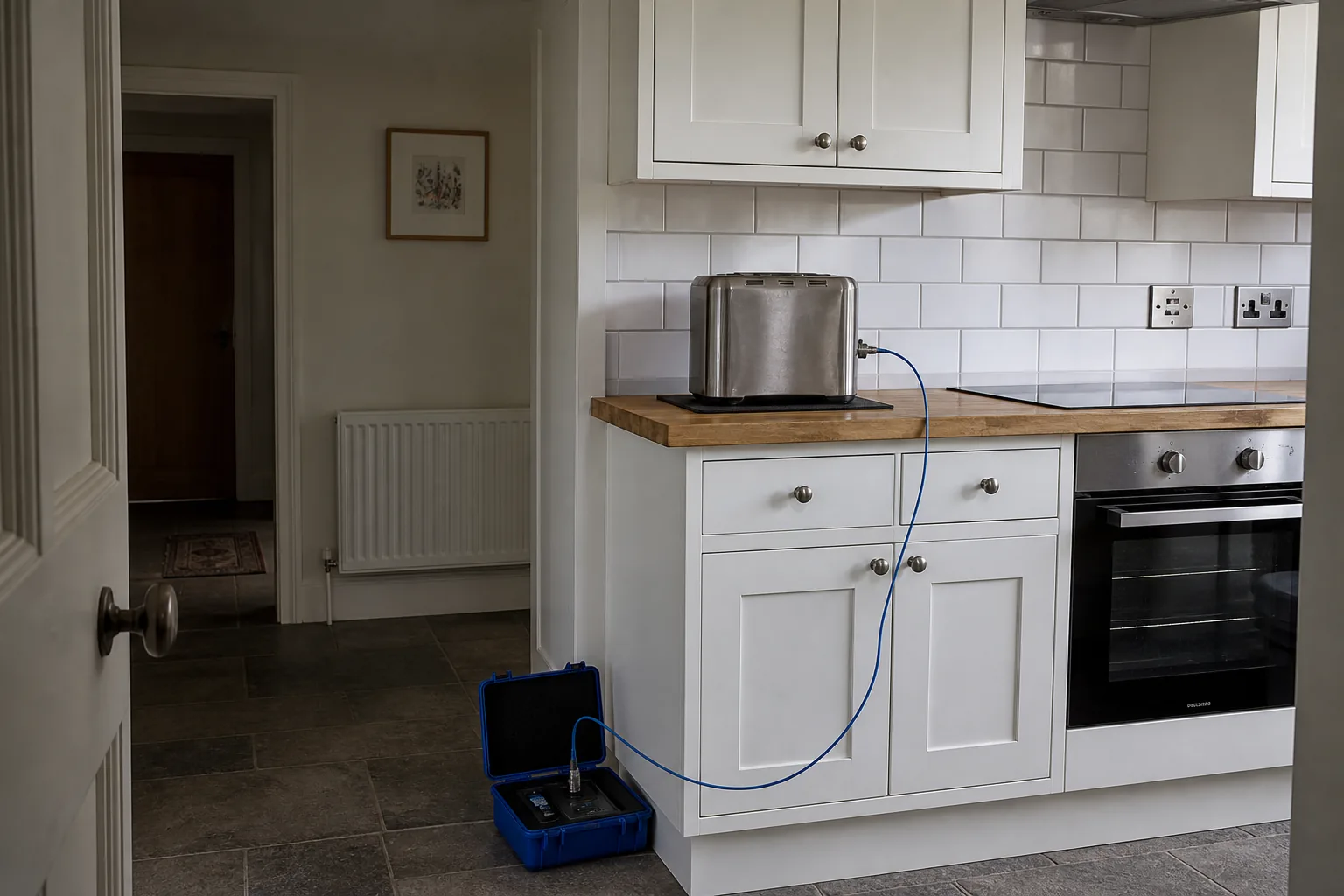
A turbine alloy makes an absurdly durable toaster only until domestic cycling, oxide scale, joining, and cost insist on being admitted. The famous high-temperature strength is not a domestic appliance specification.
nuclear fuels / 10 MIN READ
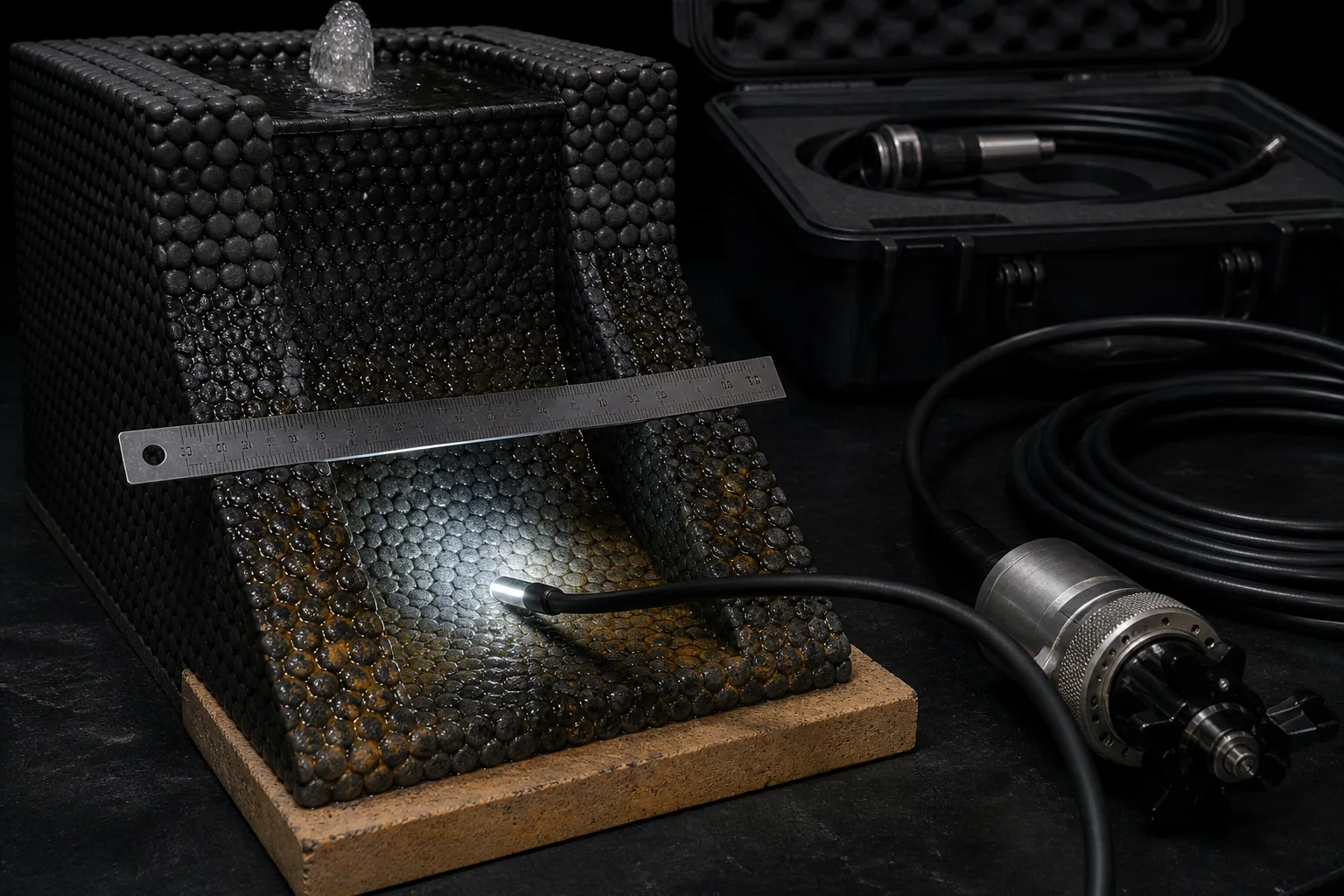
A fountain made from reactor fuel fails before the first pleasant splash, because water is not merely water in a fuel problem. Geometry, moderation, cladding, heat removal, and criticality turn landscaping into nuclear engineering.